 Written by
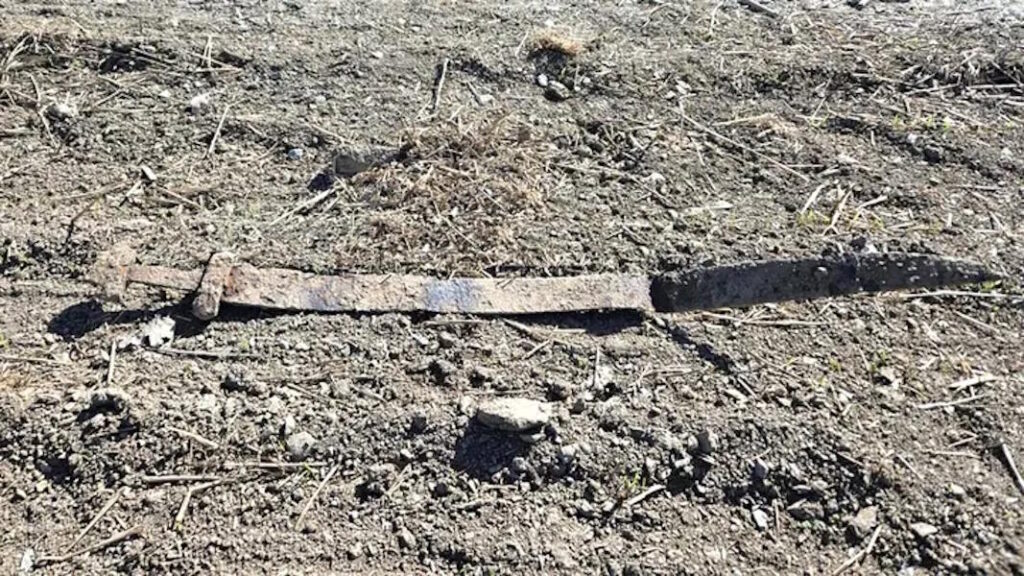
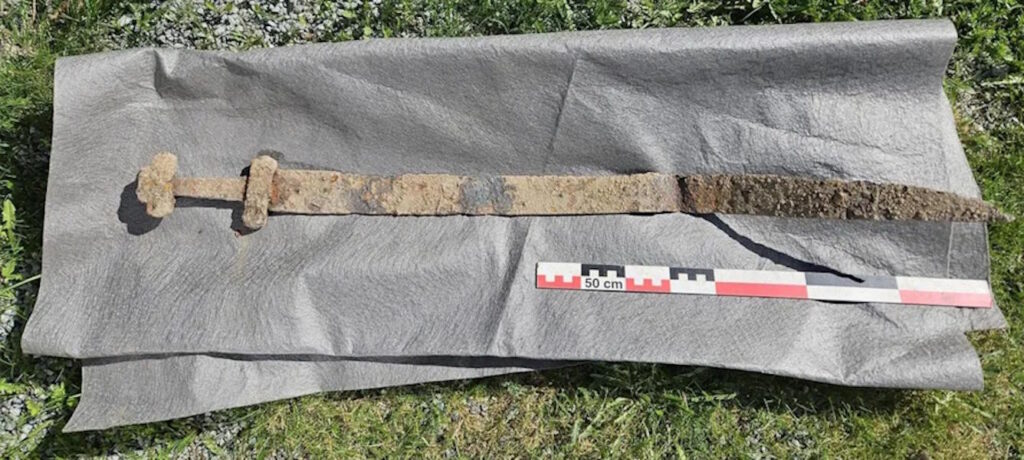
 In April of 2026, Norwegian school children were tasked with collecting rocks, twigs and other items for an art project. While on field trip to Gran in Hadeland, in Norway, a six year old student named Henrik Refsnes Mørtvedt saw something unusual. He pulled it from the ground and showed it to his teacher. What Henrik had discovered was a Viking Age sword or earlier. Archeologists estimate it to be 1.300 years old.
“Archaeologists from the Cultural Heritage authority in Innlandet think the sword might be a single-edged iron sword from the late Merovingian Period, or early Viking Age, around AD 550 to 800.” – BBC reporting
Originally the sword was thought to have been made during the Merovingian era (which spanned 476 to 750 C.E.). Later thinking dates the sword’s creation at 750 and 850. That range includes the onset of the Viking Age. It also places its creation shortly before the onset of Christianity in Norway.
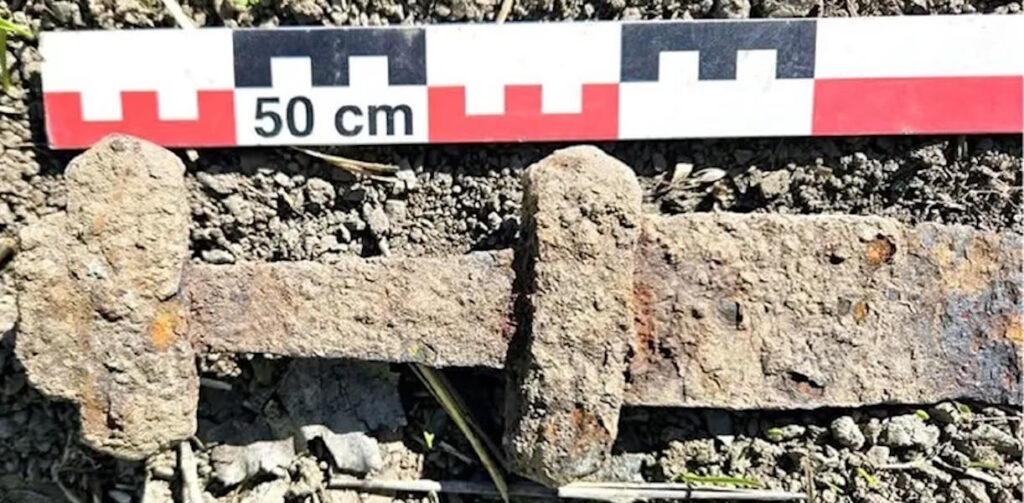
Although this sword has the now thought classic pommel and guard of Viking swords in popular fiction, it is single edged and slightly curved. As the Viking Age marked the transition between heathen / pagan and Christian culture in Norway, discoveries like sword might indicate the church brought changes in weapons and combat technique leading to the now thought classic Viking sword.
Hadeland is a fitting place for such a discovery. Although it is rich in agriculture and traditionally associated with farming, the etymology of its name is associated with endings, death and war. Hadeland is often translated as “the land of the warriors.”
The sword is now stored and studied at the Museum of Cultural History (Kulturhistorisk Museum) in Oslo, Norway.